
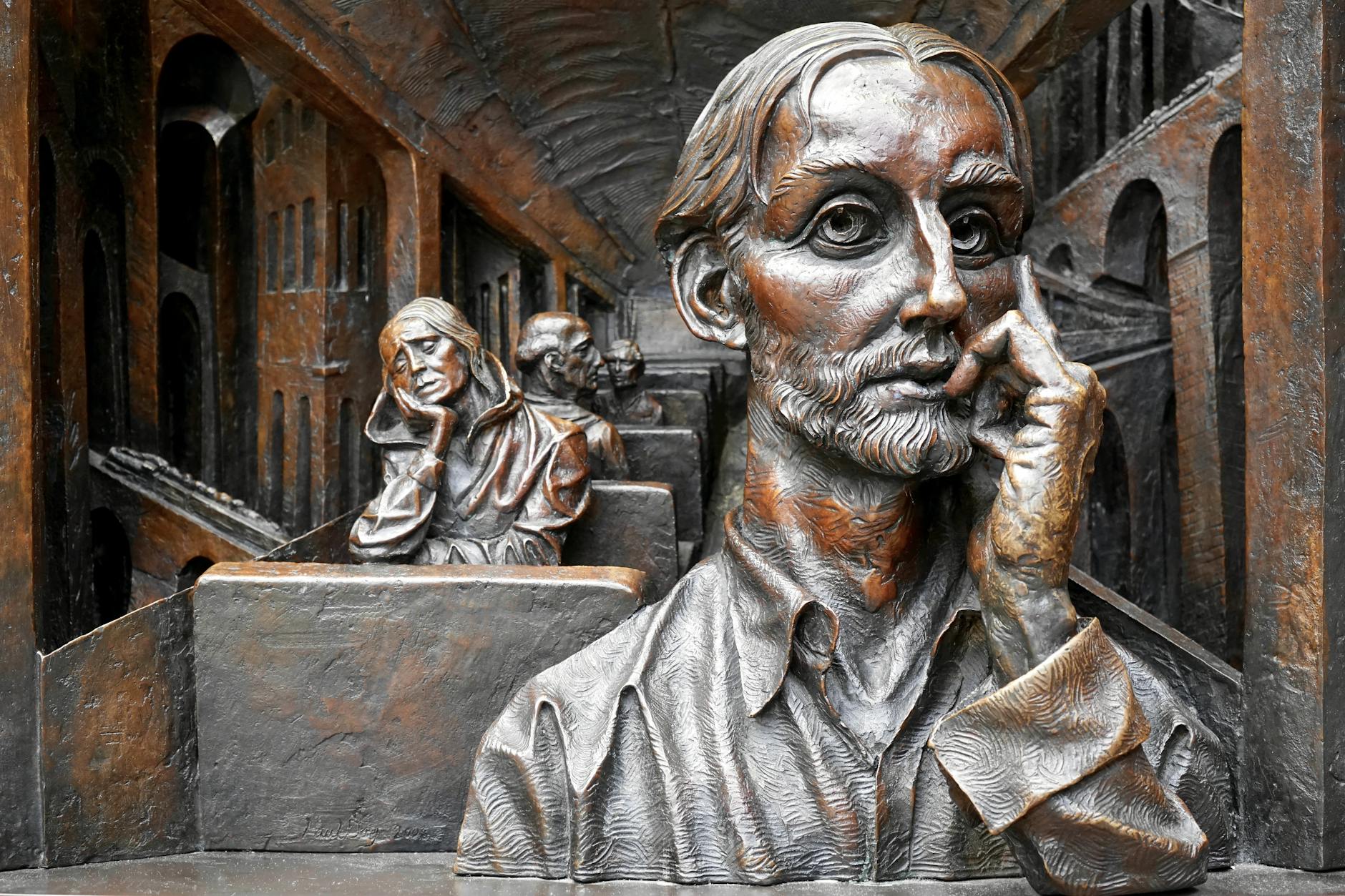
What is the face of Alzheimer’s Disease?
In 2016 The Puerto Rican Day Parade of Newark dedicated the parade to Alzheimer’s Disease Awareness. This effort opened up the conversation on a subject that has been taboo for way too long among Puerto Ricans and Hispanics in general, the struggles with mental health.
Growing up I would hear people say in Spanish, “El esta enfermo de los nervios”, which in English loosely translates to, “He is overwhelmed with his nerves”. People tip-toed on the subject of mental health not wanting to acknowledge what it is. It didn’t matter the condition: addiction, depression, schizophrenia, dementia or Alzheimer’s. They were all described the same as struggles with emotions. In fact, that’s how my dad’s schizophrenic condition was explained to me as a child.
According to the Alzheimer’s Association, Hispanics develop symptoms of Alzheimer’s Disease up to 7 years earlier than non-Hispanic Caucasians. Hispanics face a higher risk for Alzheimer’s, with about 13% aged 65+ affected, making them 1.5 times more likely to develop the disease. The underlying causes are driven partly by socioeconomic factors, prevalent vascular risks, barriers to care and cultural taboos. While Hispanic seniors tend to live longer , their dietary lifestyle along with higher rates of diabetes, high blood pressure, and high cholesterol are the risk factors that make Hispanics more susceptible to Alzheimer’s Disease. The video I produced, shot and edited for the Newark Puerto Rican Day Parade features the organization’s Alzheimer’s Awareness Coordinator, Blanca Gomez and her story as a caregiver for her mom, Eva Iris Martinez. There weren’t many resources or support for caregivers.
Alzheimer’s Disease and Dementia has greatly impacted my family in ways that we have never imagined.
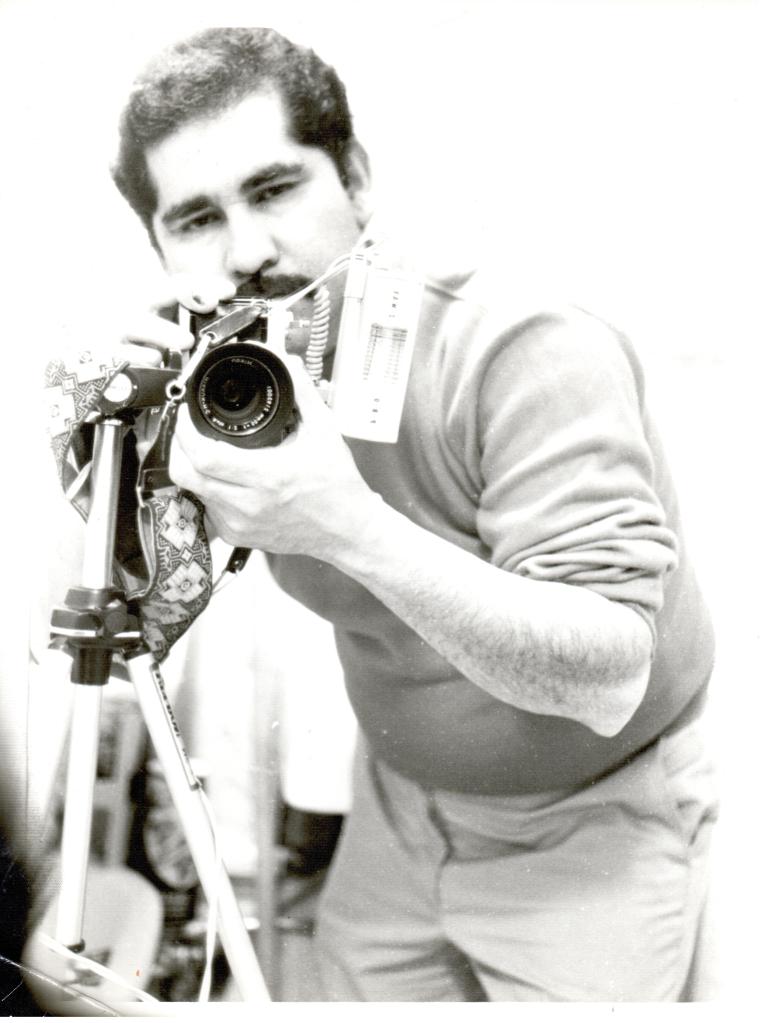
My uncle Roberto Rios pictured on the left passed away in 2014 after a lengthy battle with Alzheimer’s Disease.
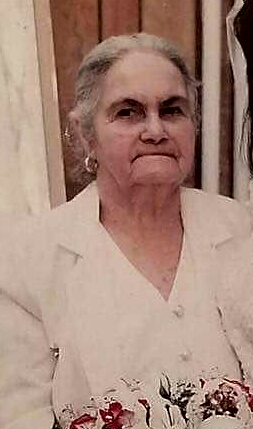
My grandmother pictured on the right had Dementia and lived to the age of 103 years! She passed away December 29, 2016. Both Roberto and my “Mamita” were lovingly cared for concurrently by the same caregiver. My aunt Awilda Rios, supported by some wonderful home health aides and the will and grace of God, dedicated herself to simultaneously caring for her husband and mother until their very last breaths.
My mom passed away in 2018. She also had Alzheimer’s along with other health complications. Around the time of mom’s last stage of deteriorating health, one of my brothers began to show signs of cognitive impairment. He was young compared to the typical Alzheimer patient, was physically active and in good health but what happened in his brain told a different story. Mutations of a presenilin 1 gene (PSEN1) created a buildup of toxic amyloid-beta peptides in his brain which brought on early-onset Alzheimer’s Disease. He passed away in 2024.
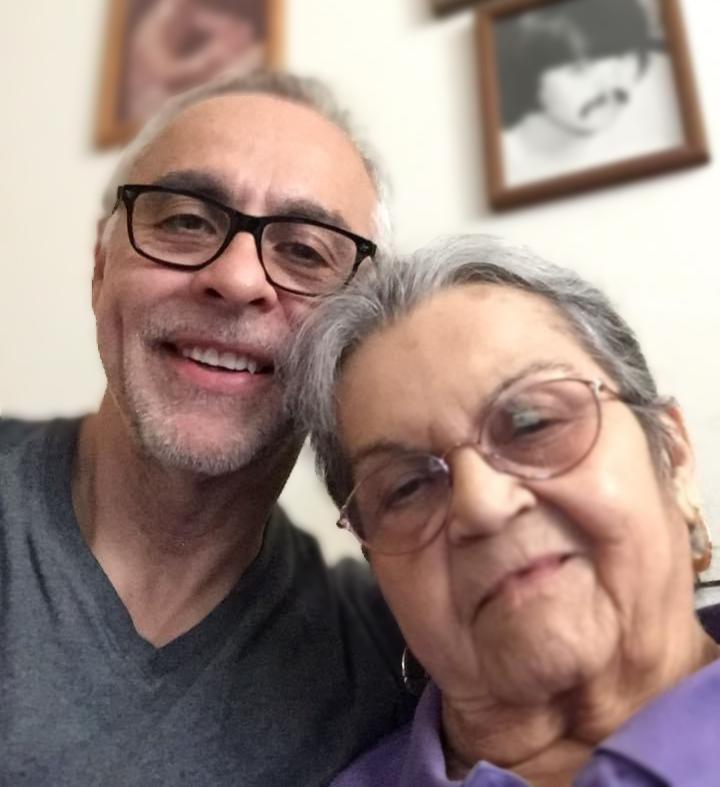
My hope is that those who read this post can understand that the face of Alzheimer’s Disease is all of us; the patient, caregiver, doctor and loved ones. Middle-aged Hispanics must understand that Alzheimer’s is a disease, its not part of aging. It’s important to take care of ourselves and improve our quality of life, to recognize symptoms early.
 SORAIDA PERES